9:00 am –
In Teams of 2-4 complete
100 Hang Power Cleans @ 115/75
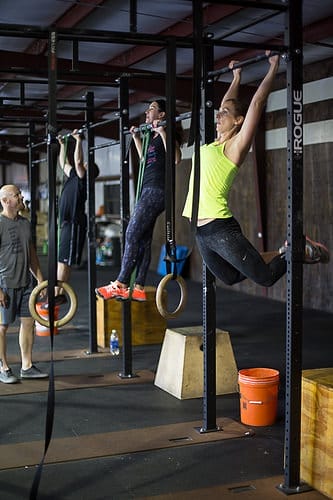
100 Pull-ups
100 Push Press @ 115/95
100 Russian KBS @ 32K / 24K
*time rec.
10:00 am – Free Community WOD – REGISTER HERE
Next Saturday! Women’s WOD + WINE


9:00 am –
In Teams of 2-4 complete
100 Hang Power Cleans @ 115/75
100 Pull-ups
100 Push Press @ 115/95
100 Russian KBS @ 32K / 24K
*time rec.
10:00 am – Free Community WOD – REGISTER HERE
Next Saturday! Women’s WOD + WINE
In teams of two, alternating complete rounds.
25:00 AMRAP
200 ft Farmers (heavy)
10 Jump Squat @ 45/35
10 Jump Lunges
Join us tomorrow at 10:00 am for our Free Community WOD!
{Details & Registration}

Come join us on Saturday, June 13 @ 10:00 am for a free workout with the CrossFit Austin community!
Community workouts are open to everyone and a great way to find out what CrossFit is all about.
All skill levels welcome.
Current members: Bring a friend
First timers: Meet a friend
CrossFit Austin now has a Facebook event page for our Free Community WODs! Keep up with the news and upcoming WODs!

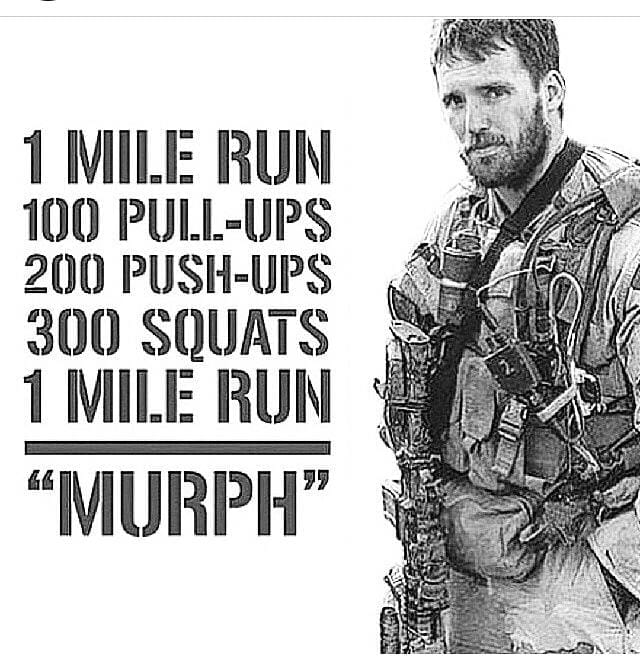
CrossFit Austin will be hosting Murph Day Saturday (7/4/2015) honoring the memory of Navy Lieutenant Michael Murphy and all fallen veterans. Liutenant Murphy was killed in Afghanistan on June 28th, 2005. This workout was one of Mike’s favorites and he named it “Body Armor”. We will honor a focused warrior and great American who wanted nothing more in life than to serve this great country and the beautiful people who make it what it is.
“Murph”
For time:
1 mile run
100 pull ups
200 push ups
300 squats
1 mile run
*Partition the pull-ups, push-ups, and squats as needed.
**Teams of 2, 3, or 4 are welcome.
***All movements can be scaled.
****Be sure to wear your twenty pound vest or body armor if you have it.
Our annual MURPH Day is coming up! Join us on July 4th to celebrate Independence Day, honor the memory of Lieutenant Michael Murphy, and raise some money for the flood relief efforts in Central Texas!
THEN stick around for some BBQ & B-Ball!
Potluck style BBQ will begin after the last heat.
BYOB and a dish to share.
Don’t forget your b-ball skills (or hanging out drinking brews skills)
**Burgers & dogs provided, but feel free to bring any other meat you’d like to throw on the grill
EVENT SPECIFICS:
Event Registration + Shirt will be open from June 10th until June 19th.
Event Registration without Shirt will be open from June 19th until July 3rd.
In the past, our annual MURPH Day has benefited the Navy SEAL Foundation. Last year, we decided to band together and help out a member of our own community. This year, we’d like to continue strengthening our community by opening donations to The Barnabas Connection.
The Barnabas Connection provides access to health & human services, client advocacy, and community education. Services focused in Wimberley and Hays County include advocacy with local service providers; annual events that provide for specific community needs, and encouraging education and discussion among community leaders about the issues of poverty.
The Barnabas Connection is working in coordination with local and state officials to respond to the devastating rain and flooding that impacted the Wimberley Valley on Saturday night, May 23, 2015.
We have seen an outpouring of generosity with donations and volunteers from CrossFit Austin aiding in the flood relief efforts and we are honored to be able to continue that effort.
Learn more about the relief efforts here. Learn more about The Barnabas Connection here.
Upon registration you may specify which cause you would like your donation to go to. We will also be taking donatons on site for both charities. In addition, you may donate directly to either foundation through Navy SEAL Foundation or Barnabas Connection
“I firmly believe that any man’s finest hour, the greatest fulfillment of all that he holds dear, is that moment when he has worked his heart out in a good cause and lies exhausted on the field of battle – victorious.” – Vince Lombardi
Cook-out/potluck will take place directly after the event!
A. 4 Rounds
in 4:00
400 M Run
Amrap
5 TTB
5 Burpees
Rest 2:00
“I firmly believe that any man’s finest hour, the greatest fulfillment of all that he holds dear, is that moment when he has worked his heart out in a good cause and lies exhausted on the field of battle – victorious.” – Vince Lombardi
Registration for MURPH Day 2015 is now open!
A. 20:00 E202
2-3 Front Squats
1 Rope Climb
B. 16:00 E202
4 DL @ 60%
1 Pistol / Leg\
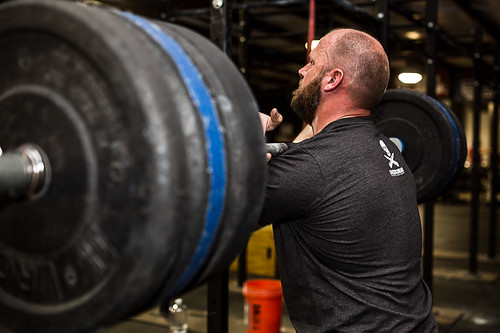
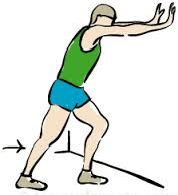
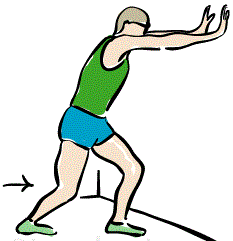
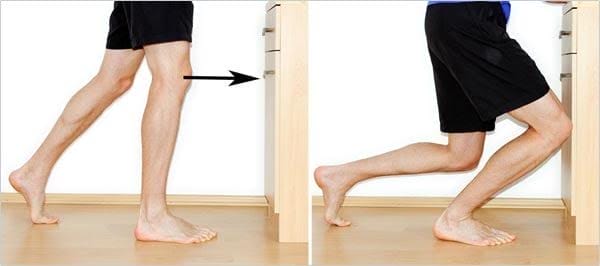
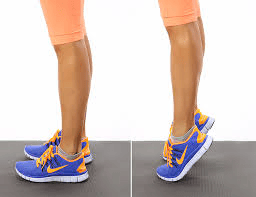
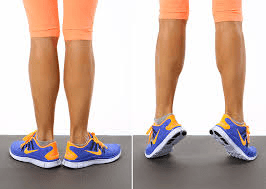
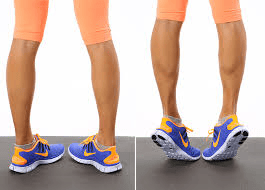
When many of you read Coach Leigh’s Achilles article you might have been wondering what the best way to “prep” the Achilles might be, or how to increase ankle/calf mobility in general. Well, here are some answers!
A. 4 Rounds
Max Handstand Walk / Hold
10/leg DB Walking Lunges by feel
6-8 Ring Push-ups
*For quality
B. 4 Rounds
200 M Run
10 KBS @ 24/16K
10 Box Jump Step/down @ 24/20
Bev – Total: 100K (220) Snatch: 42K (92.4) Clean & Jerk: 58K (127.6) PR**
Leah – Total:110K (242) Snatch: 46K (101.2) Clean & Jerk: 64K (140.8) meet PR**
Nick – Total: 225K (495) Snatch: 100K (220) Clean and Jerk: 125 (275)
Wes – Total: 267K (587.4) Snatch: 119K (261.8) Clean and Jerk: 148K (325.6)


A. 16:00 E202
1 Hang Power Snatch + 1 OHS
*Build over the course of 8 sets
B. 10:00 AMRAP
5 CTB Pull-ups
10 Strict Presses @ 50%
15 Wall Balls 20/14
“It is only in adventure that some people succeed in knowing themselves – in finding themselves.” –Andre Gide