
Each month we spotlight a different CFA athlete who stands out and shows just how awesome they are. What is it that makes up an Athlete of the Month? It may not be the person that finishes the fastest, Rx’s every WOD, or gets a PR every time they walk in the gym. Although we love and celebrate when those things happen, the Athlete of the Month is made up of much more than physical ability. This person shows up, gives their best every time, and then gives a little more. They are hungry to learn and always ready to do the work. They support their fellow classmates and encourage them to reach their goals. This athlete embodies what we believe the CrossFit Austin Community should be about.
Our December Athlete of the Month is Daniel Arredondo! He has been with CFA since March of 2016. Daniel bounces around in his class times, but usually ends up with the lunch time crew. Daniel is a go-getter and has been from the start. As he continues to grow in his training he is always seeking more knowledge with consistent group classes and additional personal training with Tim. All that work has certainly paid off in his short time here. Daniel is always up for the next big thing, even participating in his first competition just 6 months into his time with us! We’ve enjoyed watching him make continuous gains over the last few months and we’re excited to watch him continue to progress for many more years! Daniel, we are proud to have you as our December Athlete of the Month and as an awesome part of this community. Thanks for all your hard work and the smiles you bring us on a regular basis! Congratulations!
State your Name and/or Nickname please: 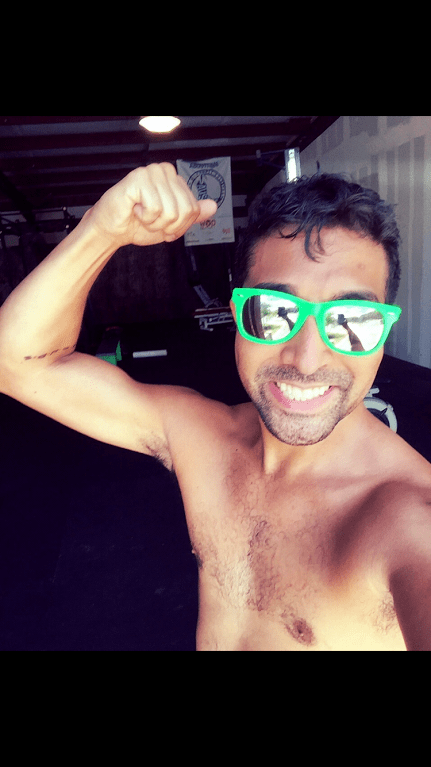
Daniel Jose Gonzalez Arredondo II – My best friend calls me “tiny dancer”
Words to live by?We can’t control the world around us.
We can only control our reaction to the world. Leave the world a better place by being the best version of you while loving and helping the people we share this world with.
Back in the day, I did summer track and took up running again in 2015. I have a minor in dance and love ballet, Latin, and country dancing! I also play sand volleyball.
How long have you been CrossFitting?
9 months
Take us back to your first day of CrossFit… How did you feel? How do you compare it to workouts today?
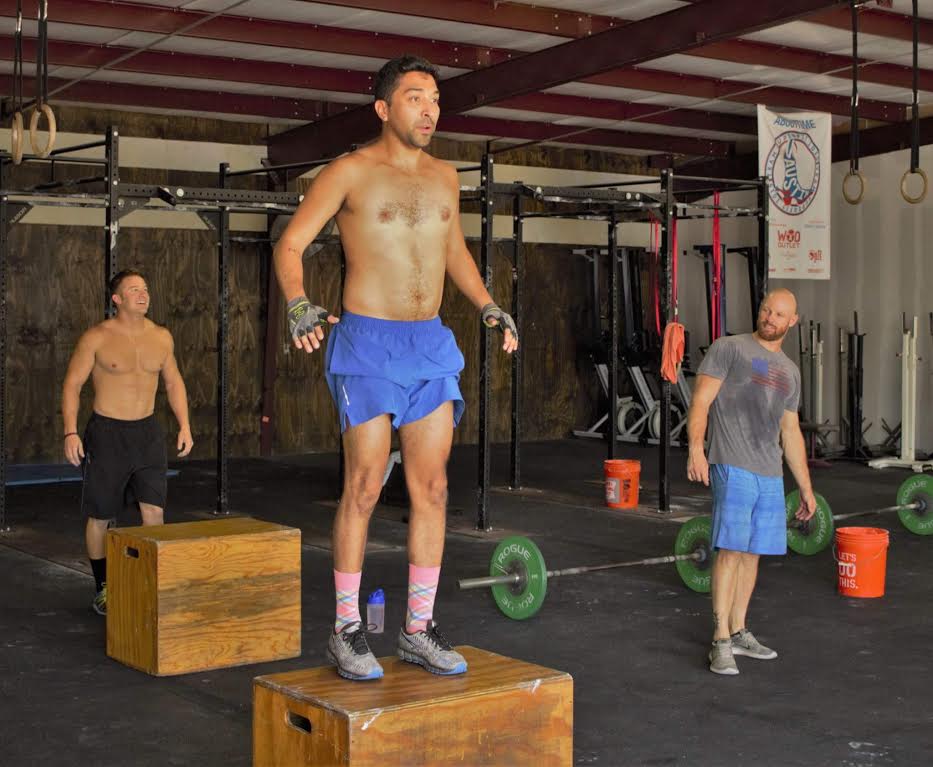
I was so afraid of hurting myself and doing workouts that involved “legs”. I was concerned I would not be able to handle the intensity because of all the terrible YouTube videos that give CF a bad name. I had no clue what the acronym-ically (not a real word) challenged…WOD=want one doughnut…
What’s your favorite part of CrossFit Austin?
I love the community of friends and family I now have to promote and encourage health and to socialize with outside of the gym. Love each coach and their unique take on coaching while still being united in a philosophy of physical health and training. It’s amazing!! I also like that we are very supportive during workouts and that the competitive atmosphere is friendly. Also there are so many times a day to come work out! I love that with my schedule!
Current Training Goals/PRs?
To one day be RX on all workouts….This year…250 deadlift, 120 strict press, 12 strict pull-ups, master butterfly pullups, 200lb back squat…i’ll stop there for now..oh and beach body!
What advice do you have for folks just starting out in CrossFit?
Don’t give up…results will come, I promise! I was just using the bar for some exercises and once you get technique, you will exponentially improve.
There are too many…but I love getting chicken fried steak, mashed potatoes, corn, pecan and apple pie, and a coke from Luby’s…yes I’m a southern boy!
Tell us about a moment you felt most proud of yourself during a workout.
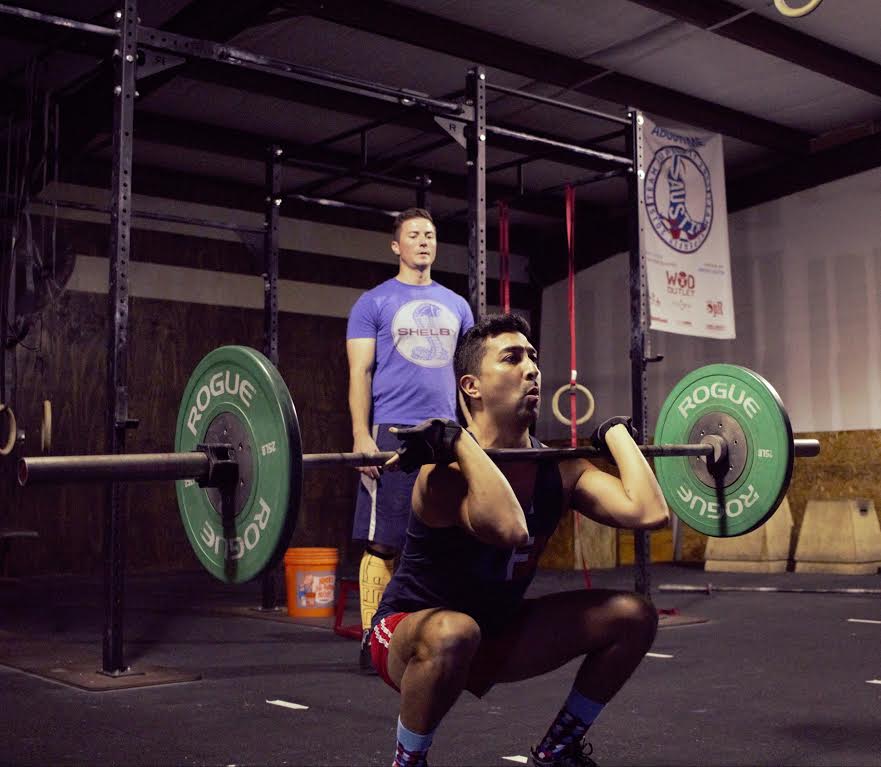
There are 4
When I finally got 10 strict pull ups. It had been a life goal
When I competed in Night of Champions and finished!
The time Wes said “good job Daniel” because I had finally received his approval
When Tim did the MURPH workout with me because I was out of town. Yeah, Team “34”!
Tiny Dancer
10 pullups
5 power cleans
5 push press
10 burpees
800 meter run
 What are your hobbies, interests and/or talents outside of CrossFit?
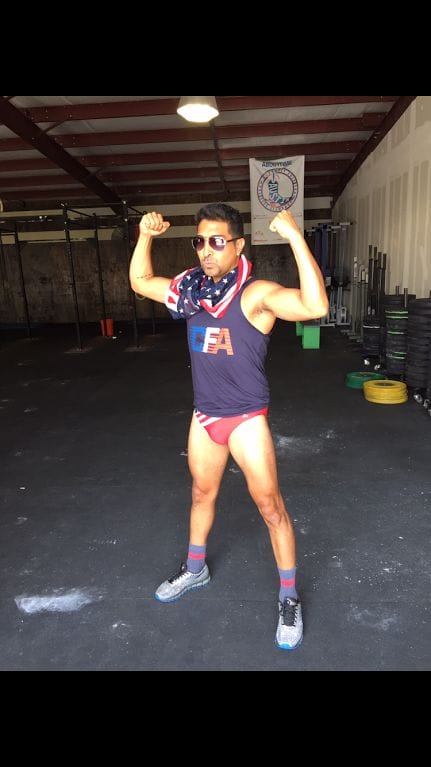
I love music. Singing and teaching choral music is what I do for a living. I love to dance, play sand volleyball, have now taken up boldering, and running.
I use to be a very shy guy, I have a Phd, and I don’t like the dark.
Longhorns or Aggies? Is this a real question?
Blood runs burnt orange!
Leave the fine folks of CrossFit Austin with some parting words…
Each day is a gift and a new beginning. It is another chance to reflect on who you are and who you will choose to be.


